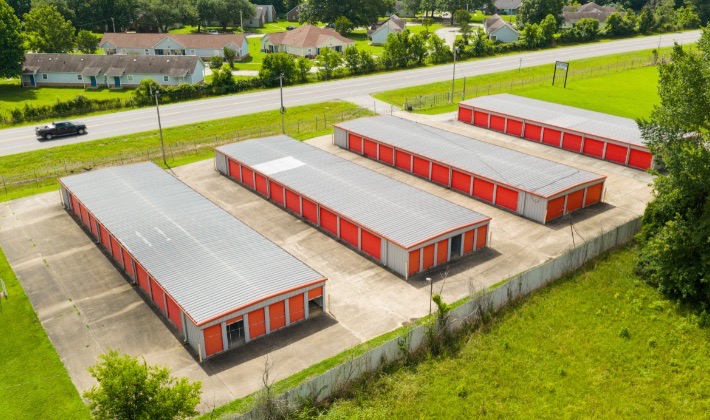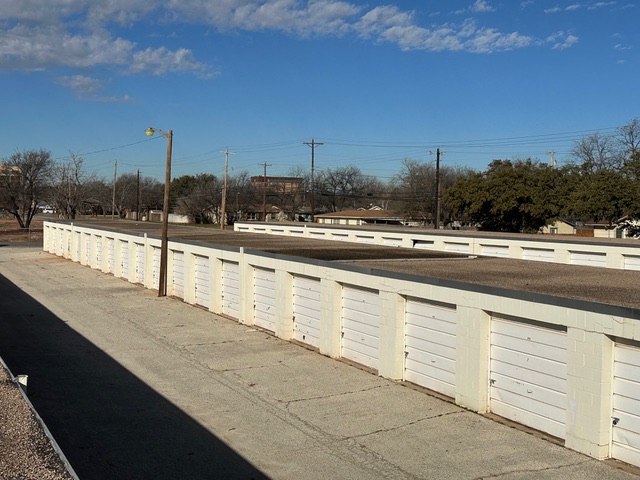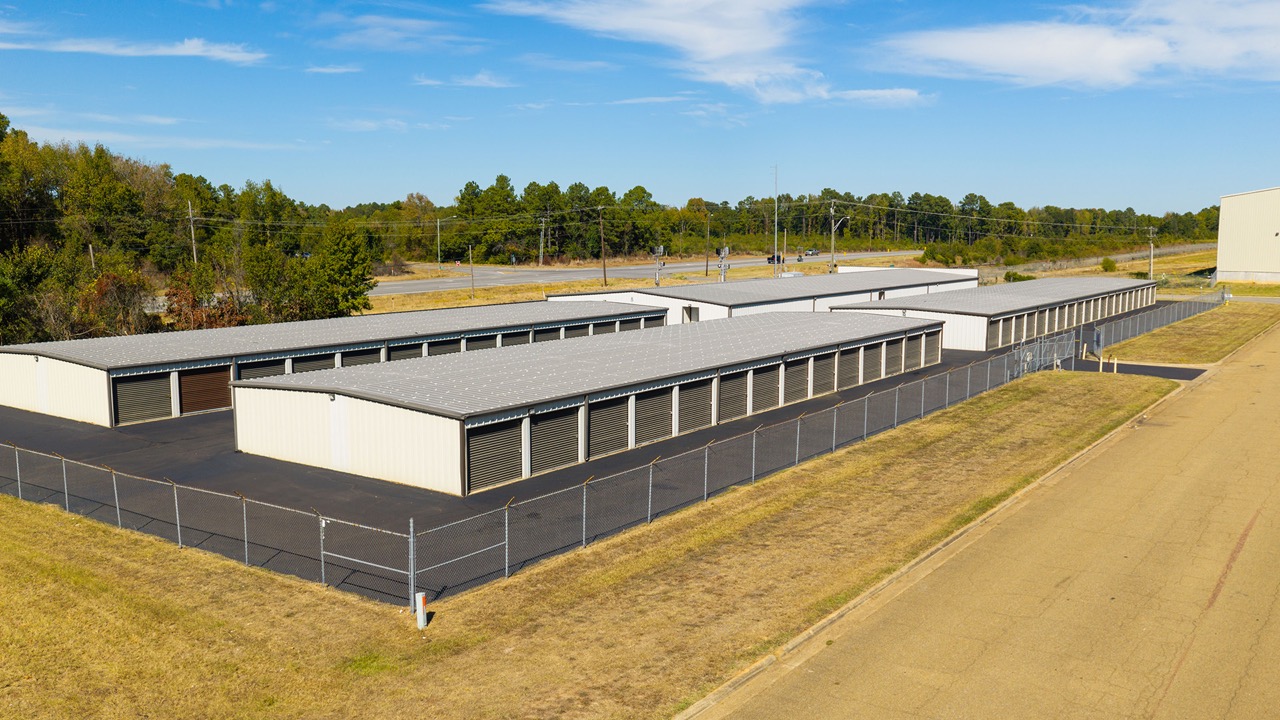
Walk the property and it looks full. Most doors are locked, the drive aisles are quiet, and the owner will tell you occupancy sits in the mid-80s. That number is real. It just isn't the one that pays the bills.
We're buying two facilities in southwest Arkansas right now where this is the whole story. About 86% of the units are physically occupied. In two separate snapshots of the rent roll, the share of units actually paying came in at 63.5% and 66%. Both numbers move month to month, which is normal for any storage facility. What matters is the distance between how full the facility looks and how much of it is actually paying.
When people ask why a self-storage facility underperforms, they usually expect to hear about a bad location or too much competition. Sometimes that's the cause. More often the facility itself is fine. The buildings work, demand is there, and new tenants keep showing up. What's missing is the operating system around it: current pricing, a way to rent online, someone clearing out units that stopped paying, and tools that let a good manager spend her time where it counts.
A lot of these owners bought or built years ago at a low cost basis. At that basis, the facility makes them money just as it is, so there's never been much pressure to change how it runs. It isn't failing. It's leaving a lot on the table, and that's a different problem, one that operations can fix.
Physical occupancy counts how many units have someone's belongings in them. If a facility has 100 units and 86 are rented, it's 86% physically occupied. This is the number sellers quote first, and it's usually the first one a buyer checks.
Economic occupancy asks a harder question: how many of those units are actually paying. A tenant who hasn't paid in four months still shows up as occupied. So does a unit someone has been using for free for years. Neither one brings in a dollar, but both make the facility look healthier than it is.
At most underperforming facilities, the gap between these two numbers comes from two places. Tenants fall behind, and no one follows up or starts the lien process, so the unit sits full and unpaid indefinitely. Units also go out at no charge. Some of that comes from a good place, like free units for local police or a few donated to community causes. Those are generous gestures, but they add up and are hard to walk back once they start. Others go to family members, and over the years those can become a real share of the facility. None of this happens because anyone is careless. It builds up slowly when there's no system flagging it.
For an investor, economic occupancy is the number that turns into income. A wide gap is also where a turnaround often starts. The work there isn't finding new demand. It's collecting what's owed, clearing out what never will be paid, and re-renting those spaces to tenants who pay. Pricing is the other piece of the picture, and it's the next section.
Self-storage tenants tend to stay longer than they planned. Someone rents a unit for a three-month move and is still there four years later. That's one of the best features of the business, as long as rents keep pace.
At many owner-operated facilities, rents fall behind the market and stay there. Rates get set when the facility opens, or when the owner last checked the market, and then they sit. Some owners do raise prices for new tenants over time. Far fewer go back and adjust what existing tenants pay. So a customer who moved in six years ago is often still paying the original rate, while the person who rented the unit next door last month pays noticeably more. That second tenant is useful proof: the market is already paying the higher rate, and the facility just isn't charging it across the board.
Experienced operators handle this with regular, modest increases for existing tenants and street rates that adjust with demand by unit size. It's standard practice, and most tenants accept it because moving their belongings costs more than a small increase. Small owners often avoid it, and the reasons are understandable. A rate increase means phone calls, pushback, and some uncomfortable conversations. And after years of seeing the same tenants come and go through the gate, or the same names on the rent roll month after month, a kind of loyalty builds up. Raising rates on someone who has paid on time for six years can feel like punishing your best customers. Others don't need the extra income, which goes back to that low cost basis.
The result is a facility where even the paying units earn less than they could. At the Arkansas facilities we're buying, rents run well below comparable properties nearby. Closing that gap doesn't happen all at once. It happens unit by unit, through new tenants at current rates and gradual increases for existing ones, done in a way that keeps good tenants in place.
Most people looking for storage today start on their phone. They search "storage near me," compare a few options, check prices, and often rent a unit on the spot, sometimes late at night or on a weekend. If a facility doesn't show up in that search, or shows up without prices or a way to rent, that customer usually picks someone else and never calls.
Many owner-operated facilities still run the way they did when they opened. There's often no website, or one that hasn't been updated in years, and no way to rent or pay online. In some cases there's no management software at all, so rentals, payments, and late notices are handled on paper, spreadsheets, or memory. That was workable for a long time, and for some owners it still feels fine, because the phone rings often enough and the units mostly stay full.
The cost shows up in two places. First, the facility loses customers it never knew it had, the ones who searched, didn't find an easy answer, and rented elsewhere. Second, the people running the facility spend their days on work a system could handle: taking payments over the phone, chasing late accounts by hand, and keeping records in their heads. That time doesn't go toward filling units or taking care of tenants.
The two facilities we're buying fall into this category. Adding a real website, online rentals and payments, and modern management software is one of the first changes we'll make, and one of the fastest to pay off.
Self-storage is a simple product. Tenants want a clean, well-lit, secure place to keep their things, and an easy way to get in and out. When a facility falls short on any of those, it rarely shows up as a crisis. It shows up as a slow drift in how the property feels.
At a lot of long-held facilities, small repairs get pushed back year after year. Gates stick or stay open, burned-out lights never get replaced, and the asphalt gets patched instead of resurfaced. There are often no cameras, and access is controlled with padlocks and a keypad code that hasn't changed in years. None of it is dramatic on its own, and an owner who's been there daily for a decade may stop noticing it.
New tenants notice right away. A gate that doesn't work and a dark drive aisle at night tell a renter the facility isn't being watched closely, and that's the opposite of what someone storing their belongings wants to feel. It also shows up online, in reviews and photos, which is where many renters form their first impression.
Fixing this is usually not expensive. At the two facilities we're buying, the plan is targeted: repair the gates, replace the lighting, resurface the asphalt, and install smart locks and cameras. None of it requires major construction. The smart locks and cameras also do a second job, because they let the facility run well without someone on site all day. More on that in the next section.
For decades, running a storage facility meant having someone in the office during business hours. They rented units, took payments, opened the gate for move-ins, and handled late accounts. If no one was there, nothing happened.
That's no longer how the best facilities run. A tenant can now find a unit, sign the lease, and pay, all from their phone, without ever talking to anyone. Smart locks let the facility open a unit for a new tenant, lock out a tenant who's behind on rent, and release the unit once they pay, all remotely. Cameras flag after-hours activity and log who comes and goes. Calls, texts, and reminders go out automatically, day or night. Pricing adjusts by unit size based on demand, instead of waiting for someone to remember to check.
None of this replaces people. It changes what they spend their time on. A local person still matters for walking the property, keeping it clean, handling move-outs, and being a familiar face when a tenant needs one. What goes away is the repetitive busywork that used to fill the day.
We already run our facility in Texarkana this way. In the first week after we took over, a new tenant rented a unit online without any trouble. When they arrived, the unit was missing its lock, a setup gap from a system we had only just launched. Our local team member got a lock on the unit quickly and had them moved in. That's how the system is supposed to work: automation handles most of it, and when something slips, one reliable local person fixes it quickly. The Arkansas properties get the same system, which is what makes a turnaround like this practical for an operator who isn't living down the street.
Every problem in this post has the same thing in common: it's an operations problem, not a building problem. The units exist, and tenants are already renting them. What's missing is pricing that keeps up, a system that catches unpaid accounts, a way to rent online, and a property that looks cared for. All of that can be fixed without new construction or betting on the market.
People are often part of the answer too. When we interviewed the manager at the Arkansas facilities, she told us she hadn't really been able to do her job in a while. The processes were outdated, much of the work was manual, and there wasn't much structure around her. She also had good ideas about how she'd spend her time if the busywork went away. We're keeping her. With online rentals, online payments, and smart locks taking over the repetitive work, she can focus on the parts of the job that actually move the facility forward, and the tenants keep a familiar face.
This is how a turnaround works in self-storage. Better operations bring in more income, more income raises the value of the property, and that value belongs to the people who own it. It's slower and less flashy than a new development, but it doesn't depend on guessing where the market goes next.
If you want to understand how passive investors take part in facilities like these, our Complete Guide to Self-Storage as a Passive Investment is a good place to start. And if you'd like to hear more about what we're working on, reach out. We're always glad to talk.